with the rapid development of information technology, virtual dedicated servers (vps) have been widely used in various industries, especially in the financial industry. with its unique geographical location and growing technological infrastructure, vietnam has become the choice of many financial companies. this article will discuss the application and challenges of vietnam vps in the financial industry, analyze its impact on financial technology and future development prospects.
virtual private server (vps) is a technology that divides a physical server into multiple independent virtual servers through virtualization technology. vietnam vps has become the first choice for many financial companies due to its flexibility and cost-effectiveness. compared with traditional physical servers, vps provides higher resource utilization and convenient expansion capabilities. in addition, vps allows enterprises to flexibly allocate resources according to their own needs, which helps reduce operating costs.
in the financial industry, vietnam vps is mainly used in data storage, trading platforms and risk management systems. first, financial institutions can use vps for secure data storage to ensure the security of customer information and transaction data. secondly, many fintech companies choose to build trading platforms based on vps to improve transaction speed and stability. in addition, vps is also widely used in the construction of risk management systems, helping enterprises monitor market changes in real time.
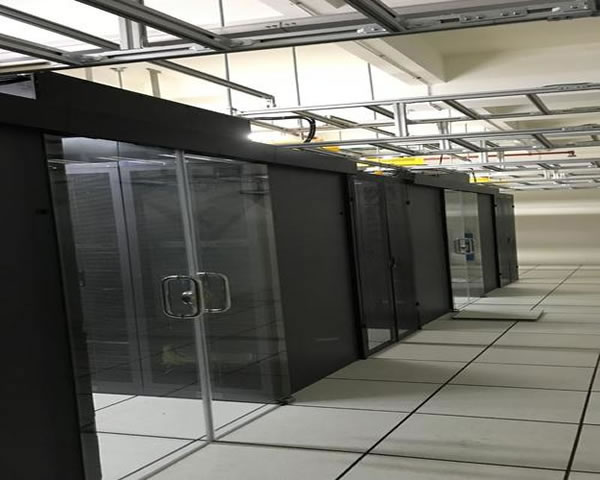
despite the many advantages of vietnam vps in the financial industry, security remains a challenge that cannot be ignored. the financial industry has extremely high requirements for data security, and vietnam vps needs to have complete security protection measures. security risks such as hacker attacks, data breaches and system failures may have serious impacts on financial institutions. therefore, choosing a trusted vps service provider to ensure that it has the necessary security certification and technical support is an important factor that financial companies must consider.
the compliance requirements in the financial industry are extremely strict, and vietnamese vps service providers must comply with relevant laws and regulations. when choosing a vps service, enterprises must ensure that the provider can meet local and international compliance standards, such as gdpr and pci dss. at the same time, enterprises also need to conduct regular compliance reviews to ensure that business operations comply with the latest laws and regulations. failure to follow compliance requirements can result in huge fines and legal liability, so this is especially important when choosing a vps.
compared with vps services in other regions, vietnam vps usually has a high cost-effectiveness. since vietnam's operating costs are relatively low, financial companies can significantly reduce operating costs while maintaining service quality. however, when conducting cost-benefit analysis, financial institutions also need to consider potential hidden costs, such as data migration, system maintenance and technical support. a rational evaluation of these factors will help companies achieve higher roi in the long run.
with the rapid development of vietnam's financial technology, more and more companies are turning their attention to vps technology. in the future, vietnam vps will play a greater role in the financial industry, especially driven by emerging technologies such as artificial intelligence and blockchain. enterprises should actively pay attention to industry trends and adjust their technology and operation strategies in a timely manner to achieve better market competitiveness. at the same time, strengthening cooperation with vps service providers and jointly responding to market changes and technical challenges will be the key to the future success of the enterprise.
overall, vietnam vps has shown great application potential in the financial industry, but it also faces a series of challenges. when choosing vps services, enterprises need to comprehensively consider factors such as security, compliance and cost-effectiveness. financial institutions are advised to prioritize their security certification and technical support capabilities when choosing a service provider. in addition, regularly evaluating and optimizing vps usage strategies will help companies maintain their advantage in the fierce market competition.
- Latest articles
- A Guide For Newbies On How To Avoid The Hong Kong Vps 10 Yuan Purchase Trap And After-sales Trap Reminder
- Let’s Look At The Performance Guarantee Of Malaysia’s Third Network Cn2 Under High Concurrency During Holidays Through A Case Study
- Where To Open Korean Native IP And Practical Advice On Choosing The Right Package
- Taiwan Server Bidirectional Cn2 Cloud Space And Public Cloud Hybrid Deployment To Achieve Seamless Business Migration
- Stimulating Battlefield Korean And Japanese Server Connection Optimization And Delay Improvement Techniques
- Comparative Evaluation: Analysis Of The Differences Between Building Native IP Addresses In Taiwan And Native IP Addresses In Other Regions
- How To Optimize Cross-border E-commerce Access Speed And Stability Through Cambodia Cn2 Return Server
- Cambodian Server Alibaba Cloud’s Practical Experience In Network Acceleration And CDN Integration
- How To Set Up A Korean Purchasing Agent Group? Precautions And Risk Control Strategies For Compliance Operations
- Practical Experience Sharing On Vps Cambodia Node Selection And Global Deployment Strategy
- Popular tags
-

Which Vps Is The Best In Vietnam? Summary Of Real User Reviews
this article summarizes real user reviews of vps services in vietnam to help you choose a suitable vps provider. -
From SEO To Advertising Placement: The Real Impact Of Choosing A Vietnamese VPS Cloud Server Address On Your Business
Analyze the actual impact of choosing a Vietnamese VPS cloud server address on SEO, ad placement, and user experience, including technical considerations, compliance points, migration, and monitoring recommendations to help optimize advertising effectiveness in Vietnam and surrounding markets. -

In-depth Analysis Of The Security Of Vietnam’s Anti-complaint Computer Room Vps
in-depth analysis of the security of vietnam anti-complaint computer room vps, discussing its advantages and potential risks, and providing users with comprehensive selection suggestions.